Pes Anserine Bursitis: Why the Inner Knee Hurts, and What Helps
The inner-knee pain a couple of inches below the joint that bites on stairs and rising from a chair, explained — why it rides along with knee arthritis, the strengthening that helps, and when to get seen.
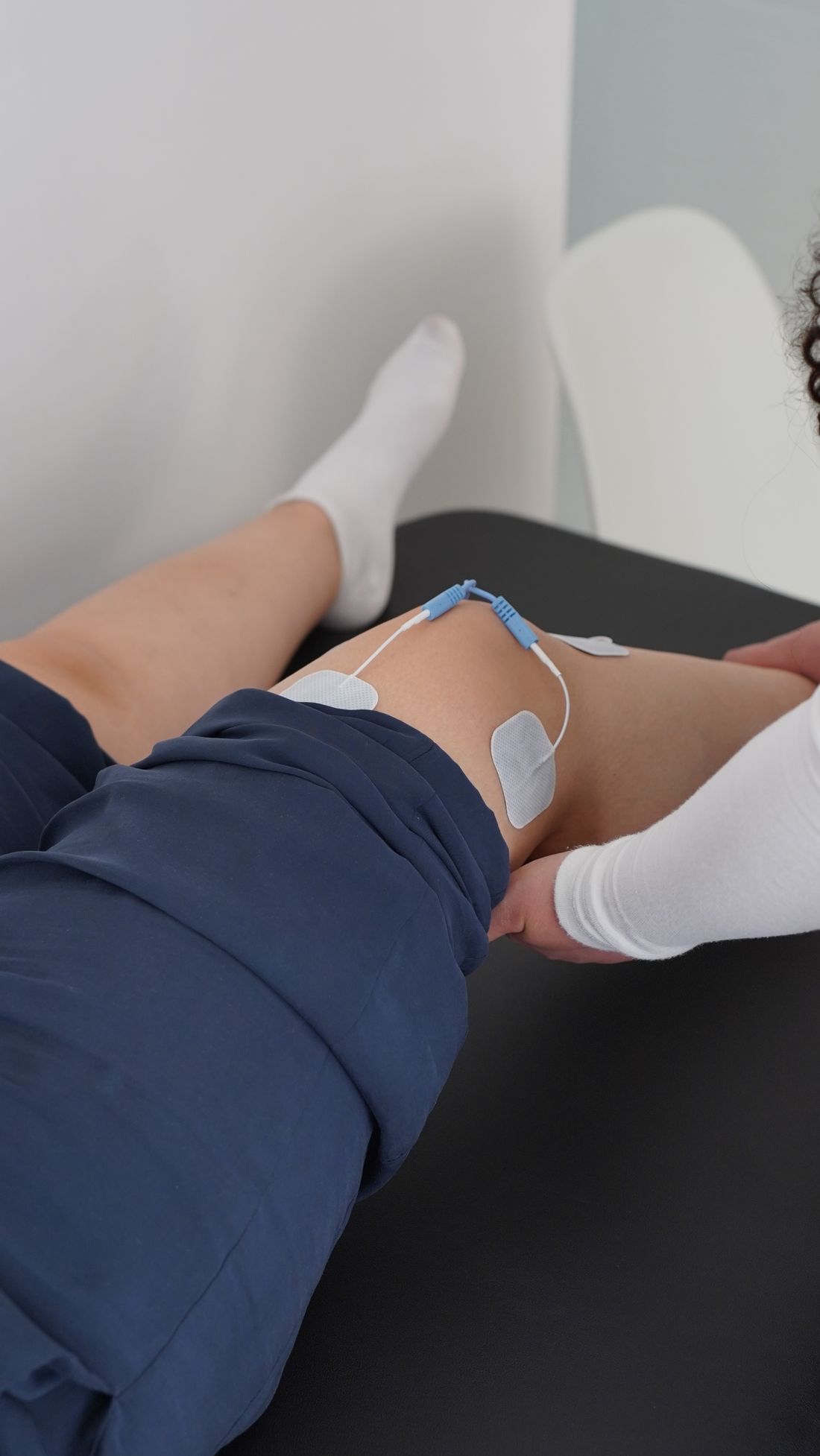 Illustrative
Pain on the inner side of the knee — a couple of inches below the joint, where it aches going up stairs or getting out of a chair, and sometimes throbs at night — is often pes anserine bursitis. It's a frequently missed cause of inner-knee pain, it commonly rides along with knee arthritis, and it responds well to the same kind of targeted strengthening.
What it is
On the inner side of the shin, just below the knee, three tendons join and sit over a small fluid-filled bursa (the "pes anserine," named for its goose-foot shape). When this area is overloaded or irritated, it becomes painful and tender. It frequently coexists with knee osteoarthritis, which is part of why it's common in older adults.
What it feels like
- Pain and tenderness on the inner knee, about two to three inches below the joint line (lower than most people expect).
- Worse with stairs, standing up from a chair, and getting in and out of a car.
- Sometimes aching at night or when lying with the knees touching.
- A tender spot you can press on at the inner shin.
Who gets it
Common in people with knee arthritis, runners and active people, and older or heavier adults, especially women. Tight or weak hip and thigh muscles, and mechanics that load the inner knee, are frequent contributors.
What helps
- Load management - easing the aggravating stairs and activity for a while, then rebuilding.
- Strengthening the quadriceps, hips, and inner-thigh muscles to support and offload the inner knee.
- Addressing contributors - including any underlying knee arthritis and the mechanics loading that side.
- Weight management where relevant, which reduces knee load overall.
- A corticosteroid injection can settle a stubborn flare.
A physical therapist builds the strengthening and finds the contributing factors - see orthopedic physical therapy at Proof.
Inner-knee pain has several sources
Pes anserine bursitis is one cause of inner-knee pain; others include knee arthritis and a meniscus tear on the inner side. They can coexist, and the tell is partly location and behavior - pes anserine pain is lower and has a specific tender spot. Sorting out the main driver is part of an assessment and changes the plan.
How long does it take?
Many people improve over several weeks with load management and strengthening, longer when there's underlying arthritis to manage alongside it.
Red flags
See a clinician for a hot, red, swollen knee, significant swelling, fever, pain after a clear injury, or inner-knee pain that isn't improving with strengthening and load management.
Pes anserine bursitis questions, answered
Where exactly is pes anserine bursitis pain?
On the inner side of the knee, about two to three inches below the joint line, over the inner shin - lower than most people expect, with a specific tender spot you can press on.
What's the best treatment for pes anserine bursitis?
Load management plus strengthening of the quadriceps, hips, and inner-thigh muscles to support and offload the inner knee, along with addressing any underlying knee arthritis. Most people settle without surgery; an injection can help a stubborn flare.
Is it pes anserine bursitis or arthritis?
They often coexist. Pes anserine pain is lower on the inner knee with a specific tender spot, while arthritis pain is more about the joint itself. An assessment sorts out the main driver, which guides the plan.
How long does pes anserine bursitis last?
Many people improve over several weeks with load management and strengthening, and longer when there's underlying knee arthritis to manage alongside it.