Dry Needling in Sterling Heights, MI
A thin filiform needle at a muscular trigger point — used as one part of an active rehab plan, never as a standalone fix.
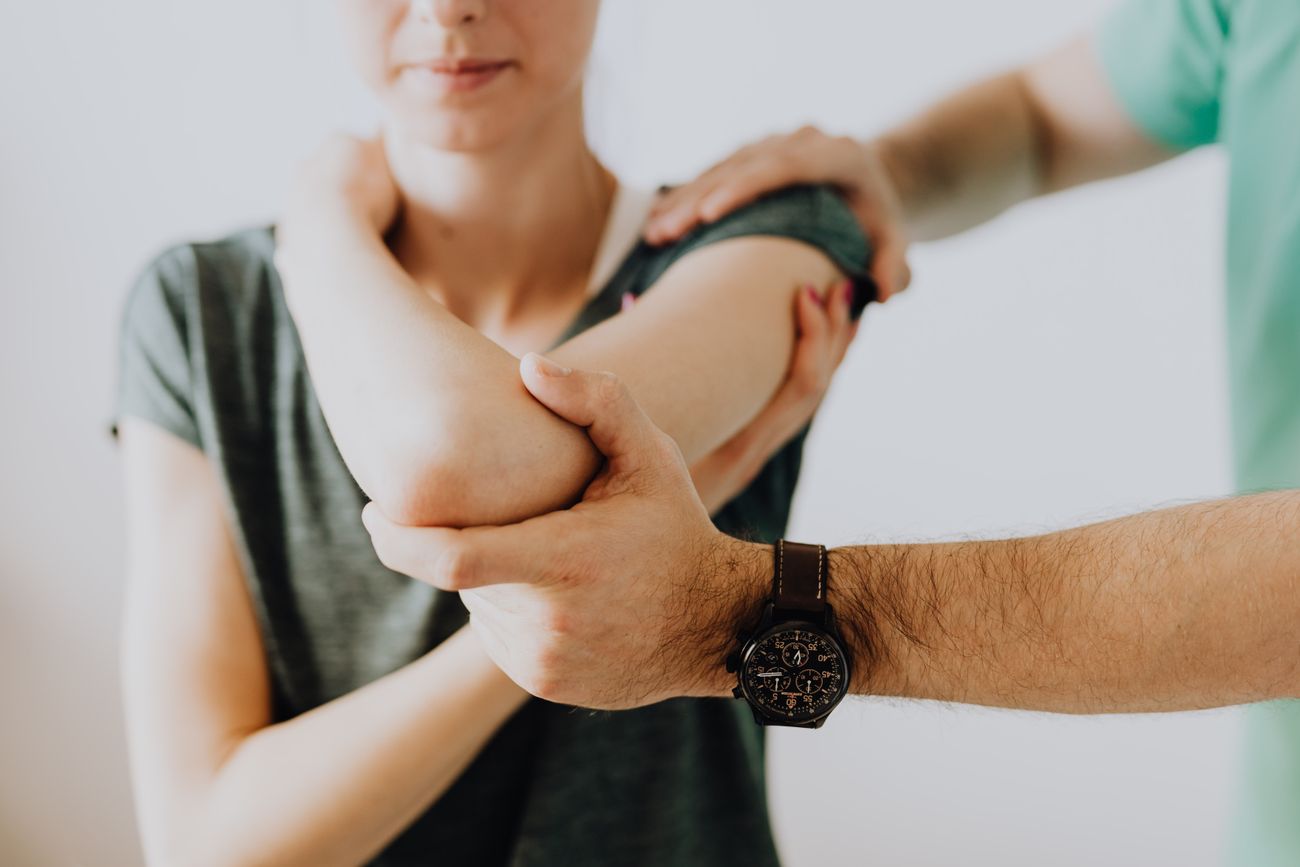 Illustrative
What it is
Dry needling uses a thin, solid filiform needle placed through the skin into a muscular trigger point — a tight, tender spot that can refer pain elsewhere. Nothing is injected; there is no medication. It's grounded in modern musculoskeletal science and used by physical therapists as one part of an active plan, not as a treatment on its own. (APTA)
How it differs from acupuncture
It looks similar — thin needles — but the reasoning is different. Dry needling targets neuromuscular trigger points under a Western, musculoskeletal rationale; acupuncture is rooted in Traditional Chinese Medicine and its meridian framework. Dry needling is not acupuncture, and we don't describe it as releasing "toxins" or energy. (ChoosePT, APTA) For a fuller comparison, see our guide: dry needling vs. acupuncture.
Who might consider it
It's a reasonable conversation for some people with myofascial trigger-point pain or certain musculoskeletal conditions — discussed case by case with your clinician. It is not right for everyone, and not every physical therapist uses it.
- Localized muscular trigger-point pain
- Selected neck, shoulder, and limb conditions, as an adjunct
- People who've plateaued on active care and want to try an additional input
How we assess suitability
If your evaluation shows a trigger-point component, your therapist may offer dry needling as one option — with your informed consent — and then re-test to see whether it actually helped your movement and symptoms. If it doesn't add value, we don't keep doing it.
What a visit may involve
Brief needle placement into the target muscles, sometimes with a quick twitch response, followed by the active work the needling is meant to support. A short period of local soreness afterward is common and temporary.
Evidence & limitations
A 2021 systematic review in APTA's journal Physical Therapy found dry needling by physical therapists more effective than no treatment or sham for some musculoskeletal pain, but graded the evidence low-to-moderate quality and the benefits generally short-to-medium term. We treat it as a modest adjunct that can help some people for a window the exercise program uses — not a cure, and not a substitute for the active plan. (Physical Therapy, 2021)
Who provides it
Dry needling is performed only by a Michigan-licensed physical therapist with specific post-professional training. As we confirm our opening team, the treating clinician's name, credentials, and dry-needling training are published here — we don't claim a technique without the clinician and training behind it.
Questions, answered
Is dry needling the same as acupuncture?
No. The needles look similar, but dry needling targets muscular trigger points under a modern musculoskeletal rationale, while acupuncture is based on Traditional Chinese Medicine. It doesn't "release toxins."
Does it hurt?
You may feel a brief ache or a quick muscle twitch as the needle reaches a trigger point, and some local soreness afterward that settles within a day or two.
Is it right for everyone?
No. It's an optional adjunct offered only when your evaluation supports it and you consent — and only if re-testing shows it's actually helping.
How much does dry needling cost?
Where it's used, it's part of a normal physical therapy visit rather than a separate charge — it's not billed as a standalone add-on. We verify your benefits before your first visit so you know your costs up front.
Where it's available
Coming soon Sterling Heights, MI — 44056 Mound Rd, Suite 103. Planned from our February 2027 opening; provided by a Michigan-licensed physical therapist. One clinic serving Sterling Heights and nearby Metro Detroit — Troy, Warren, Shelby Township, Clinton Township, Utica, and Macomb Township.
Insurance considerations
Dry needling is provided by a physical therapist as one part of an active plan of care, not sold as a stand-alone service — so what a plan covers is the physical-therapy visit it's part of, and that depends on your specific plan and medical necessity. Some plans don't separately recognize dry needling; we verify your benefits before your first visit, tell you your expected responsibility, and can't guarantee payment. See Insurance & coverage.
Related: Manual therapy · Chronic pain rehabilitation · Neck pain
Opening February 2027
Request an appointment and a real person follows up within one business day — or, for physicians, attorneys, and employers, reach out now and we'll have your workflow ready before the doors open.
Request an appointment