Pelvic Health Physical Therapy
Individualized care for the pelvic floor, core, and pregnancy-related pain — because “just do your kegels” is often the wrong advice.
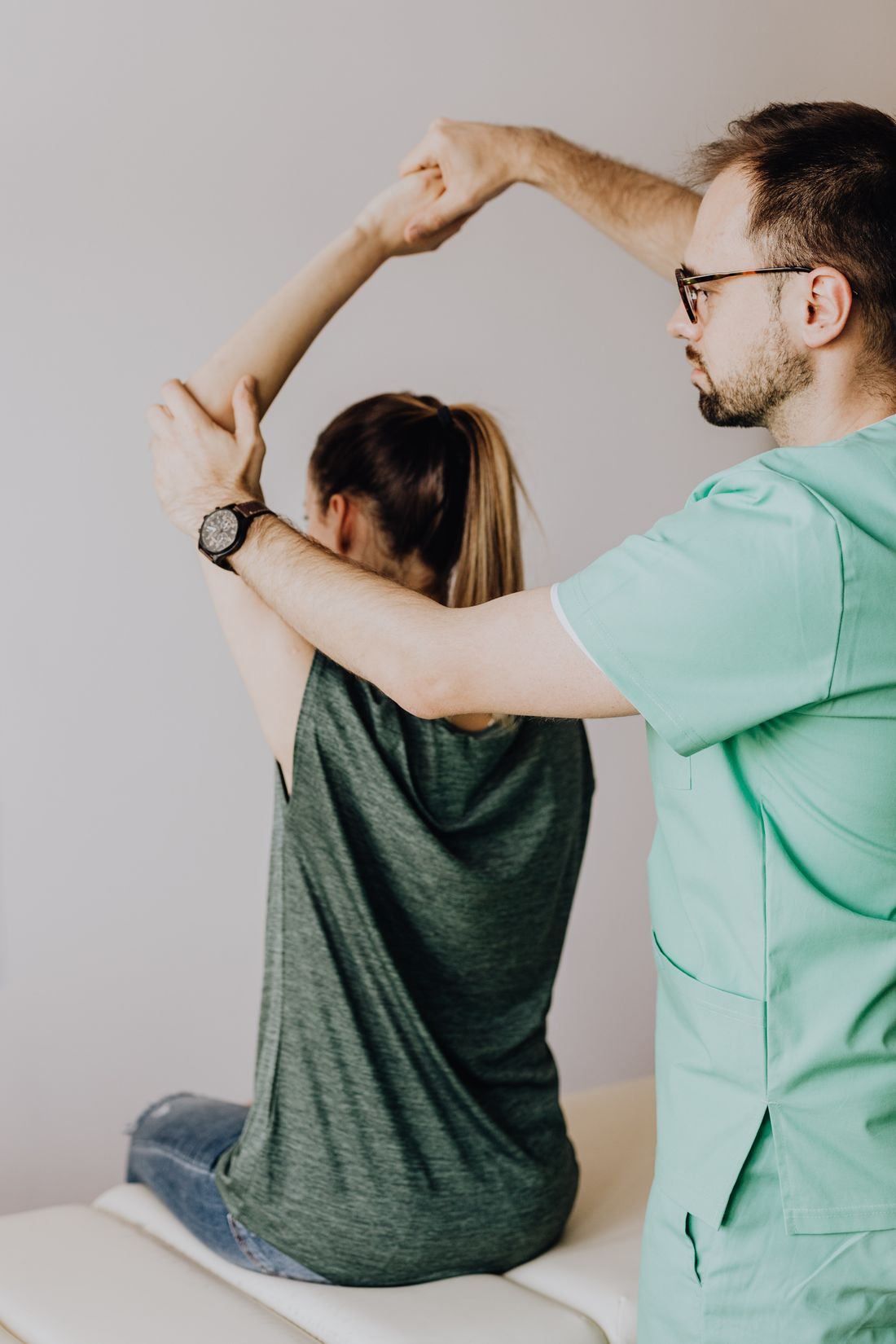 Illustrative
What it is
Pelvic health physical therapy is the assessment and treatment of the pelvic floor — the sling of muscles that supports the bladder, bowel, and pelvic organs and controls continence — together with the core and hips it works with. It helps with leaking, pelvic pain, prolapse symptoms, postpartum recovery, and pregnancy-related pain.
The important part, and what sets good care apart: stronger isn’t always the goal. A pelvic floor can cause trouble when it’s too weak or when it’s too tense, and those need opposite approaches. Generic “do more kegels” advice backfires for a meaningful share of people — which is exactly why an individualized assessment matters. Our guide on pelvic floor exercises and therapy explains the difference in plain terms.
Who it helps
- Urinary leaking — with coughing, laughing, or exercise, or with urgency
- Overactive bladder, urgency, and frequency
- Pelvic, tailbone, or deep core pain
- A feeling of pressure, heaviness, or prolapse
- Constipation and bowel-control difficulties
- Postpartum recovery and diastasis recti (core separation)
- Pelvic girdle pain and SPD during and after pregnancy
- Before and after pelvic surgery, including men after prostate surgery
- Changes around menopause
How we assess
Every plan starts with an individualized assessment that answers the question generic programs skip: does your pelvic floor need up-training (strength and coordination) or down-training (relaxation and length)? We check that you’re using the right muscles — many people aren’t — and tie the pelvic floor to your breathing, bladder and bowel habits, and daily loads. The assessment is consent-based and done with privacy and dignity; much can be learned from history and external and functional evaluation, and any internal assessment is discussed first and performed only with your informed consent.
What treatment looks like
An individualized program — strengthening and coordination, or relaxation and length work, depending on what your assessment shows — plus hands-on techniques where appropriate, breathing and pressure management, bladder and bowel habit training, and progressive loading back toward the life and activity you want. Education runs through all of it, and progress is measured, not guessed.
Evidence & limitations
Pelvic floor physical therapy is a first-line, evidence-based treatment for stress urinary incontinence, many pelvic pain conditions, and postpartum recovery. The limitation is that it is genuinely individualized: the wrong generic program — kegels for an overactive pelvic floor, for instance — can make symptoms worse, which is why assessment and the right type of training matter more than doing a high number of anything.
Questions, answered
Are kegels always the answer?
No. Kegels help a weak, under-coordinated pelvic floor, but a floor that’s too tense needs relaxation and coordination instead — more kegels can worsen pain, urgency, and emptying. Knowing which you have is the whole point of the assessment.
Does the evaluation require an internal exam?
Not necessarily. The assessment is individualized and consent-based. A great deal can be learned from your history and from external and functional evaluation; any internal assessment is explained first and done only with your informed consent.
Can it help leaking after childbirth?
Yes — pelvic floor physical therapy is a first-line treatment for many kinds of urinary leaking, including after childbirth, tailored to whether the pattern is from weakness or urgency.
Is it covered by insurance?
Skilled physical therapy is a standard benefit under most commercial plans, Medicare, Michigan auto no-fault, and workers’ compensation; coverage depends on your plan and medical necessity. We verify your benefits before your first visit.
Where it’s available
Coming soon Sterling Heights, MI — 44056 Mound Rd, Suite 103. Opening February 2027; services are provided by Michigan-licensed physical therapists.
Insurance considerations
Skilled physical therapy is a standard benefit under Medicare, commercial plans, Michigan auto no-fault, and workers’ compensation; coverage always depends on your specific plan and medical necessity. We verify your benefits before your first visit — see Insurance & coverage.
Related reading: Pelvic floor exercises & therapy · Diastasis recti · Pelvic girdle pain in pregnancy
Related: Spine: back & neck rehab · Therapeutic exercise · Geriatric physical therapy
Opening February 2027
Request an appointment and a real person follows up within one business day. Not sure if pelvic health PT is right for you? Ask — we’ll help you figure it out before you book.
Request an appointment