Pelvic Floor Exercises & Therapy: Stronger Isn’t Always the Answer
The pelvic floor can cause trouble when it’s too weak or too tense — and those need opposite approaches. Who pelvic floor therapy helps, how to do kegels right, and why an assessment beats generic exercises.
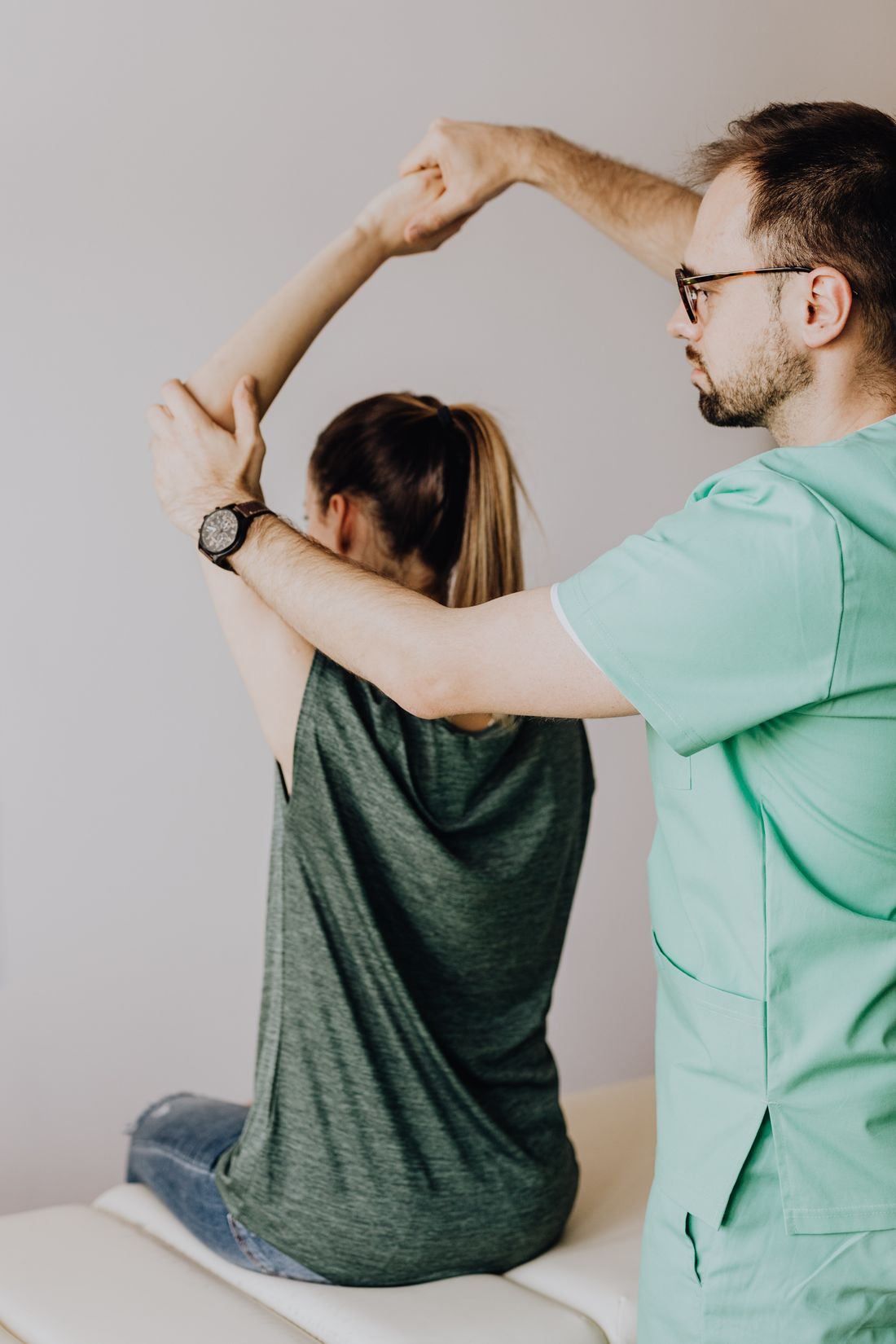 Illustrative
"Just do your kegels" is the advice almost everyone with a pelvic floor problem hears — and for a lot of people, it's exactly the wrong advice. The pelvic floor can cause trouble when it's too weak or when it's too tense, and those need opposite approaches. That's the single biggest reason home exercises fail, and the biggest reason a proper assessment is worth it.
What the pelvic floor is
The pelvic floor is a hammock of muscles slung across the bottom of the pelvis. It supports the bladder, bowel, and - in women - the uterus, helps control when you pee and poop, and works with the deep abdominal and back muscles as part of your core. When it isn't doing its job well, the results range from leaking and urgency to pelvic pain and a feeling of heaviness.
Too weak, or too tense? It matters
- A weak or poorly coordinated pelvic floor can cause leaking with coughing, sneezing, or exercise, urgency, or a feeling of heaviness or prolapse. Here, strengthening and coordination help.
- An over-tense (overactive) pelvic floor can cause pelvic pain, urinary urgency and frequency, pain with intimacy, and trouble fully emptying. Here, more kegels make it worse - the muscles need to learn to relax and lengthen (down-training), not squeeze harder.
Because the symptoms overlap, you can't reliably tell from the outside which one you have - which is exactly why generic "do more kegels" advice backfires for a meaningful share of people.
Who pelvic floor therapy helps
Leaking urine (with coughing, laughing, or exercise, or with urgency), overactive bladder, pelvic or tailbone pain, pain with intimacy, a sense of pressure or prolapse, constipation and bowel control issues, postpartum recovery, before and after pelvic surgery, and changes around menopause. It helps men too, including after prostate surgery.
Kegels, done right (for those who need them)
- Picture gently lifting and squeezing as if stopping the flow of urine and holding back gas - without holding your breath, bearing down, or clenching your glutes and thighs.
- Quality over quantity - a few well-controlled contractions with full relaxation between beats a hundred sloppy ones.
- Relaxation is half the exercise - fully letting go between squeezes matters as much as the squeeze.
Why an assessment changes the results
A pelvic-health physical therapist works out whether your pelvic floor needs up-training (strength and coordination) or down-training (relaxation and length), checks that you're actually using the right muscles (many people don't), and ties it to your breathing, bladder and bowel habits, and daily loads. That individualization is why pelvic floor therapy consistently outperforms generic home kegels. At Proof, pelvic health physical therapy follows the same measured approach as the rest of the clinic - a baseline, a plan built around your goal, and re-tests you can see. Request an appointment to ask whether it's right for you.
Beyond the muscles
Good bladder and bowel habits, staying hydrated (not under- or over-drinking), managing constipation, and controlling the pressure you put through the abdomen during lifting and exercise all support the pelvic floor. It's rarely just about one muscle.
When to see a doctor
See a clinician for new or unexplained leaking, pelvic pain, a visible or palpable bulge, blood in the urine or stool, or any new symptom - to confirm the cause before starting an exercise program.
Pelvic floor questions, answered
Are kegels always the answer for pelvic floor problems?
No. Kegels help a weak, under-coordinated pelvic floor, but if your pelvic floor is too tense, more kegels can worsen pain, urgency, and emptying problems - that type needs relaxation and coordination instead. Knowing which you have is the key, and it's what an assessment determines.
What does pelvic floor therapy involve?
An individualized assessment of whether your pelvic floor needs strengthening or relaxation, checking you're using the right muscles, and a program tying the muscles to your breathing, bladder and bowel habits, and daily loads - plus education and progress you can measure.
Can pelvic floor therapy help leaking urine?
Yes - pelvic floor physical therapy is a first-line treatment for many kinds of urinary leaking, whether from weakness (leaking with coughing or exercise) or urgency, and it's tailored to which pattern you have.
How long until pelvic floor exercises work?
Many people notice change over several weeks to a few months of consistent, correctly-performed work. Doing the right type for your pelvic floor - and doing it correctly - matters far more than doing a high number.