Meniscus Tear: Do You Need Surgery, or Will Therapy Fix It?
The scan said “meniscus tear” — but surgery often isn’t the answer. Why PT works as well as surgery for most degenerative tears, what therapy does, and the cases where surgery is the right call.
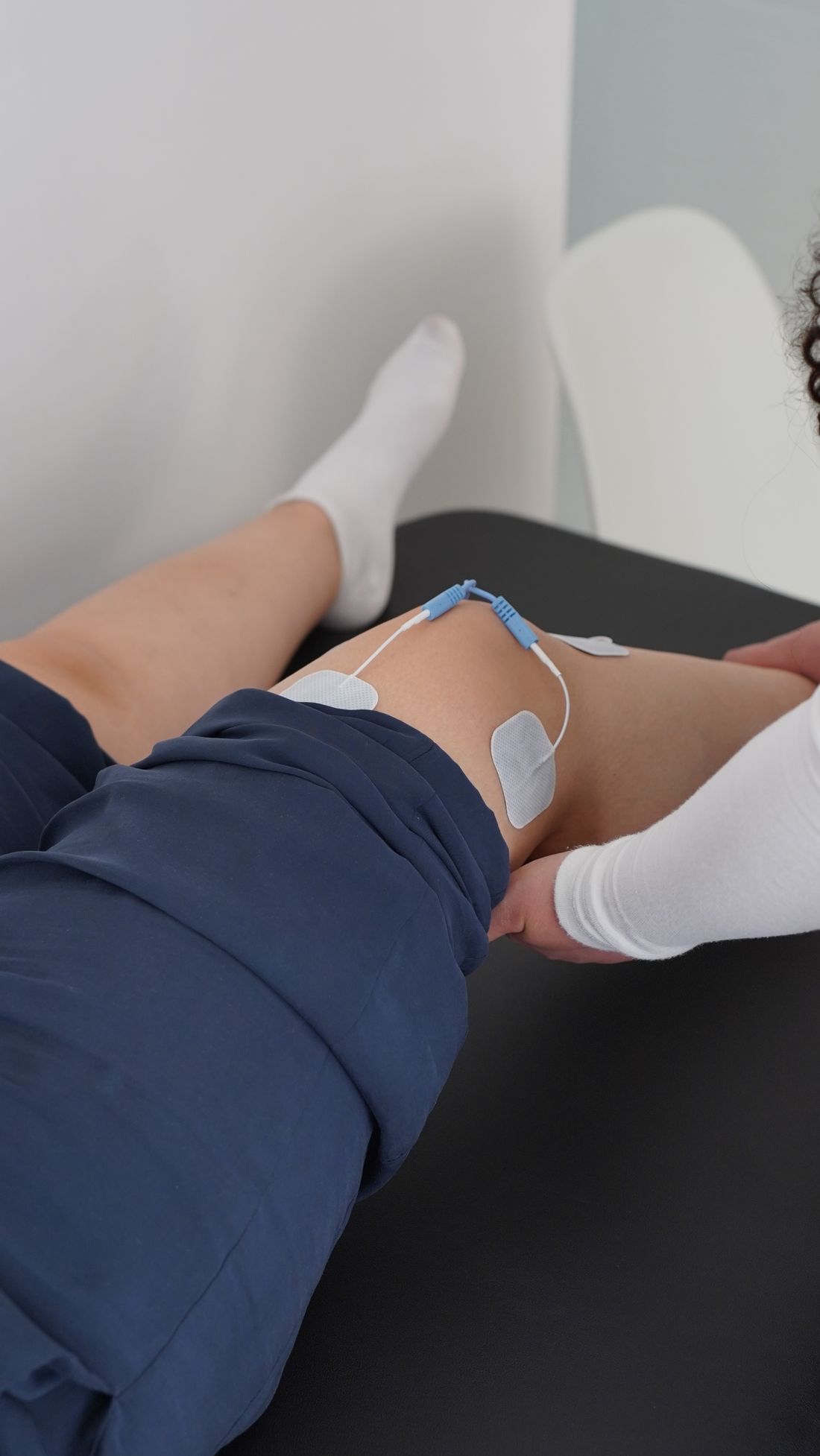 Illustrative
An MRI report that says "meniscus tear" sounds like a one-way ticket to the operating room. For a lot of people — especially those over about 40 with a gradual, wear-related tear — it isn't. High-quality research now shows that for most degenerative meniscus tears, structured physical therapy works as well as arthroscopic surgery. Knowing which kind of tear you have changes the whole decision.
What the meniscus is
Each knee has two C-shaped pieces of cartilage - the menisci - that cushion and stabilize the joint. A tear can be traumatic (a twisting injury, more common in younger, active people) or degenerative (gradual wear, common after 40 and often alongside some arthritis). Degenerative tears are extremely common and, like disc degeneration, show up on scans of plenty of people with no pain at all.
The distinction that drives the decision
- Degenerative tear (gradual, older knee, often with arthritis): for most of these, structured PT works as well as arthroscopic surgery for pain and function. A trial of rehab first is reasonable and often avoids an operation.
- Acute traumatic tear (a clear twisting injury, younger/active knee): surgery is considered more often, and the type of tear matters - some are repairable, which can be worth preserving.
- A truly locked knee - where a torn fragment physically blocks the knee from straightening - is the clearest case for prompt surgical assessment.
What it feels like
- Pain along the joint line (the crease on either side of the knee).
- Swelling, and sometimes catching, clicking, or a sense of the knee giving way.
- In some tears, locking - the knee gets stuck and won't fully straighten.
- Pain with twisting, squatting, or deep bending.
What physical therapy does
- Strengthening the quadriceps, hamstrings, and hips to support and offload the knee.
- Swelling and pain control, and restoring full motion.
- Load management and a graded return to the activities you want.
This is the same evidence-led, measured approach that applies to rotator cuff tears and knee arthritis - structured rehab first for most, surgery for the specific cases that need it. See orthopedic physical therapy at Proof.
How long does it take?
Many people improve meaningfully over roughly six to twelve weeks of consistent rehab. If a good trial of PT doesn't settle it - or if the knee is locking - that's the point to revisit the surgical conversation with better information.
Red flags - get assessed
See a clinician promptly for a knee that's locked and won't straighten, significant instability or repeated giving way, a large swelling that came on fast after an injury, or inability to bear weight. These change the plan.
Meniscus tear questions, answered
Do I need surgery for a meniscus tear?
Often not. For most degenerative (wear-related) tears, especially after 40, structured physical therapy works as well as arthroscopic surgery, so a trial of PT first is reasonable. Surgery is clearer for a locked knee and some acute traumatic tears in younger, active people.
Can a meniscus tear heal without surgery?
Many people's symptoms settle with rehab even though the tear itself doesn't fully "heal" on imaging - strengthening the muscles around the knee lets it function and feel well. The outer meniscus has some blood supply and limited healing capacity; the inner portion has little.
What's the best exercise for a meniscus tear?
Progressive strengthening of the quadriceps, hamstrings, and hips, guided by a therapist, along with restoring motion and controlling swelling. It offloads and supports the knee, which is what relieves symptoms.
When is a locked knee an emergency?
A knee that's physically stuck and won't straighten - true locking from a displaced tear - should be assessed promptly, as it's the clearest indication for surgical evaluation.