Knee Arthritis: The Exercises and Habits That Actually Help
Stiff in the morning, sore on the stairs? Here’s what knee osteoarthritis is, why movement helps rather than harms it, the exercises and habits that work, and when to consider other options.
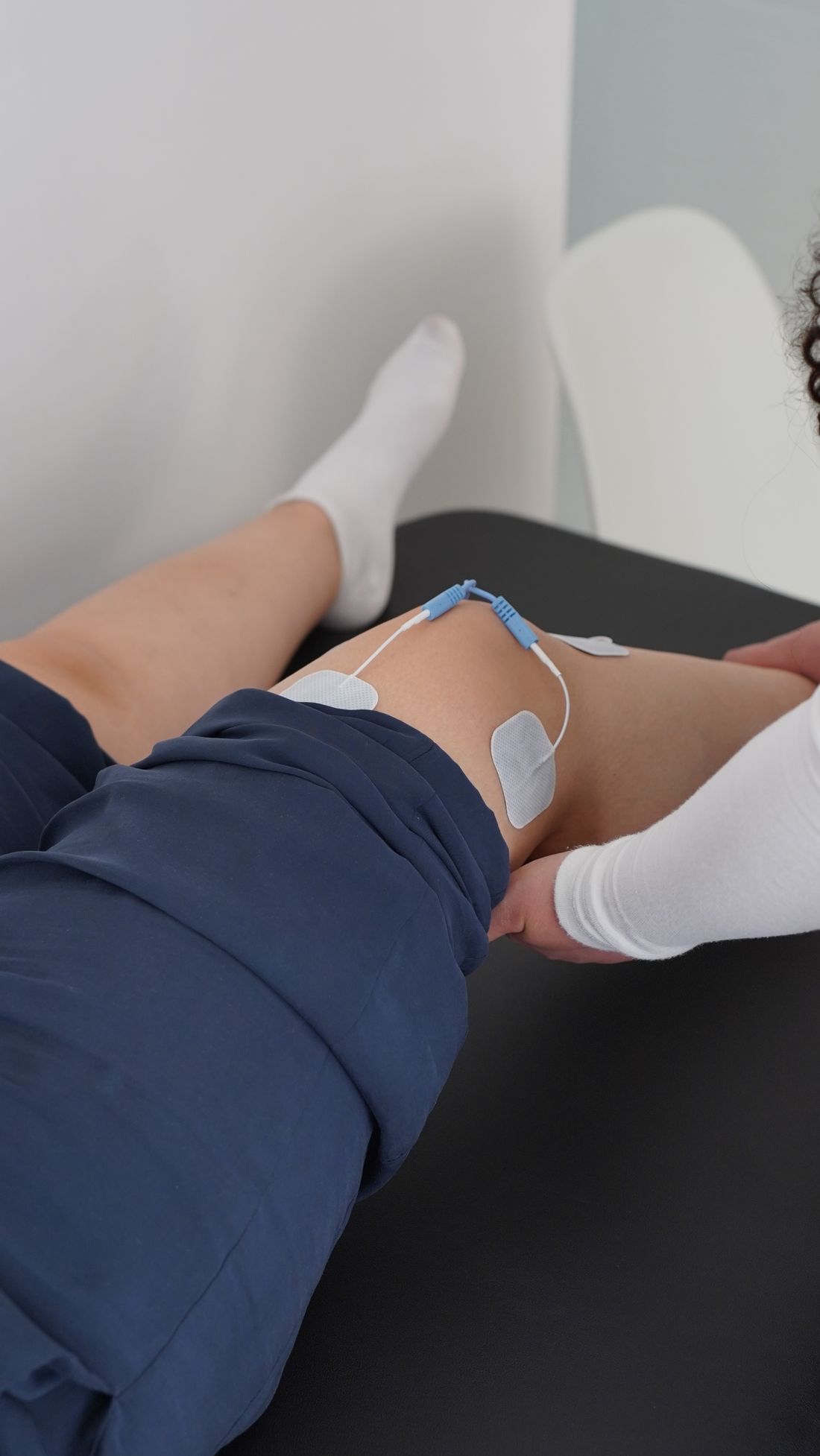 Illustrative
If your knees are stiff in the morning, bark at you on the stairs, and ache after a long day, osteoarthritis is a likely culprit — and the best-proven treatment is probably the opposite of what you'd guess. Done right, movement doesn't wear the joint out. It's what keeps it working.
What knee arthritis is
Osteoarthritis is the gradual wear and change of the cartilage that cushions the knee, along with the bone and tissue around it. It's very common with age, and more likely with previous knee injuries, extra load on the joint, or a family history. It's not simply "bone on bone wearing out from use" — the joint is a living tissue that responds to how it's loaded, which is exactly why the right activity helps.
What it feels like
- Stiffness, worst first thing in the morning or after sitting a while, easing as you move.
- Pain with stairs, squatting, kneeling, or long activity, better with rest.
- Occasional swelling after a busy day.
- Grinding or creaking (crepitus) — common and usually not a danger sign.
- Good days and bad days — symptoms fluctuate.
The myth that holds people back
The biggest mistake with knee arthritis is avoiding activity to "save" the joint. The evidence points the other way: motion nourishes cartilage, and strong muscles around the knee reduce the load that reaches it. People who stay active and strong generally have less pain and better function than people who rest and stiffen up. You can't exercise cartilage back, but you can make the whole system work far better.
The exercises that help
A program for knee osteoarthritis — strongly supported by evidence — usually blends three things:
- Strengthening the quadriceps, hamstrings, and hip muscles, so they share load the joint can't.
- Low-impact aerobic exercise — walking, a stationary bike, or pool work — for joint health, weight, and endurance.
- Range-of-motion and mobility work to keep the knee moving freely.
The right type and dose depend on your knee, which is why a therapist individualizes it. Mild soreness that settles is fine; sharp or lingering pain means the plan needs adjusting, not abandoning. This measured, progressive approach is how Proof works — see how we treat knee pain.
What else helps
- Weight management — even modest weight loss meaningfully reduces knee load and pain.
- Pacing — spreading activity through the day rather than overdoing it on good days.
- Supportive footwear and simple activity tweaks.
- Your clinician can advise on pain-relief options; this guide doesn't recommend specific medications.
What about surgery?
Exercise-based therapy and weight management are recommended first. A knee replacement is considered when osteoarthritis is severe and a good conservative program, plus other measures, hasn't given enough relief — and even then, the rehab afterward shapes the result. Many people never need it.
When to get checked
See a clinician promptly for a hot, red, swollen knee with fever (possible infection), a knee that locks or gives way, or sudden severe pain or inability to bear weight. Otherwise, a physical therapist can assess the knee and build a plan.
Knee arthritis questions, answered
Will exercise wear my knee out faster?
No. Appropriate exercise is one of the best treatments for knee osteoarthritis — it strengthens the muscles that offload the joint and keeps it moving. Avoiding activity tends to make pain and stiffness worse.
What's the best exercise for knee arthritis?
Low-impact strengthening of the thigh and hip muscles plus low-impact aerobic exercise (walking, cycling, pool). A therapist matches the type and amount to your knee.
Can I avoid a knee replacement?
Many people manage well for years with exercise and weight management and never need surgery. A replacement is reserved for severe arthritis when conservative care isn't enough.
Why are my knees so stiff in the morning?
Morning or after-sitting stiffness that eases as you move is a hallmark of osteoarthritis. Gentle movement and a consistent exercise routine usually reduce it over time.