Pelvic Organ Prolapse: The Heaviness Explained, and What Helps
The pelvic heaviness, pressure, or bulge that embarrasses people into silence, explained — why it’s common and usually not dangerous, and the conservative care that helps most people.
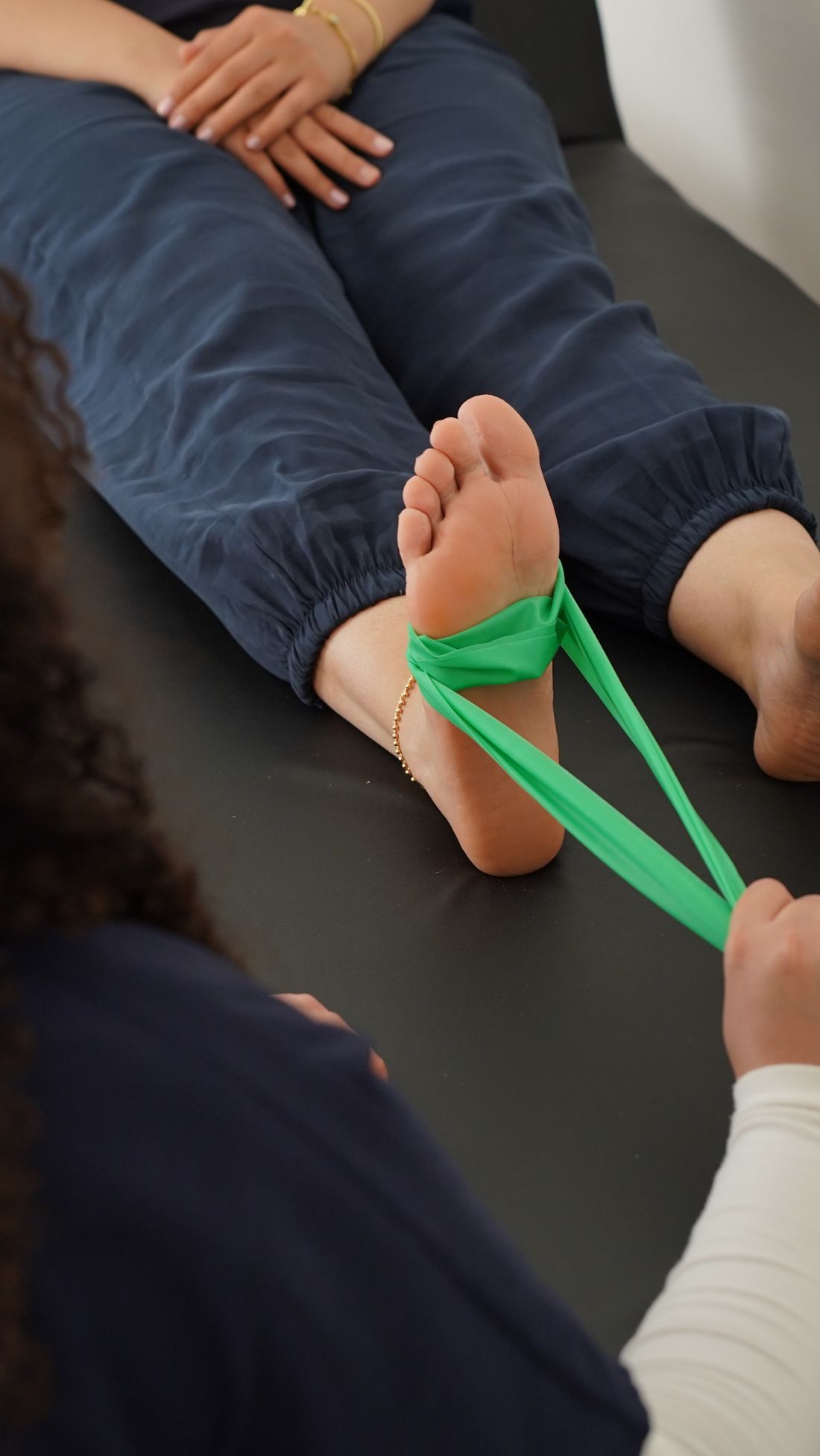 Illustrative
A feeling of heaviness, pressure, or dragging low in the pelvis — sometimes a sense that something is "coming down" or a bulge you can feel — is the hallmark of pelvic organ prolapse. It frightens a lot of people and embarrasses even more into silence. The reassurance worth leading with: it's very common, it's usually not dangerous, and a great deal can be done about it without surgery.
What it is
A network of muscles and connective tissue supports the pelvic organs. When that support weakens or stretches, an organ can descend and press against the vaginal wall - that's prolapse. It's graded by how far it descends, and mild degrees are extremely common, often without many symptoms.
What it feels like
- A sense of heaviness, pressure, or dragging in the pelvis, or that something is "falling out."
- A bulge you can feel or see.
- Symptoms often worse at the end of the day, with standing, or after lifting - and eased by lying down.
- Sometimes bladder or bowel changes - difficulty emptying, or leaking (see urinary incontinence).
Who gets it
Common after vaginal childbirth, around and after menopause, with chronic straining or constipation, heavy or repeated lifting, chronic cough, and a family tendency. Like leaking, it's common - and like leaking, that doesn't mean you have to just live with it.
What helps
- Pelvic floor physical therapy - strengthening and coordination plus learning to manage the downward pressure you put through the pelvis (how you lift, breathe, and empty), which is often the bigger lever. See pelvic floor exercises & therapy.
- A pessary - a fitted support device placed in the vagina that holds things up; effective and often underused.
- Lifestyle - managing constipation so you're not straining, sensible lifting, and weight and cough management.
- Surgery is reserved for severe or bothersome prolapse that hasn't responded to conservative care.
Conservative care helps a large share of people, and pelvic floor PT is a first-line part of it - see pelvic health physical therapy at Proof.
What to avoid
Chronic straining and constipation, repeated heavy lifting without good pressure management, and - most of all - suffering in silence. Prolapse is common and clinicians treat it routinely.
Red flags
See a clinician for inability to empty your bladder or bowels, significant pain, bleeding, or a prolapse that's severe or rapidly worsening - and to confirm the diagnosis before starting a program.
Pelvic organ prolapse questions, answered
Is pelvic organ prolapse dangerous?
Usually not. It's common and rarely dangerous, though it can be uncomfortable and distressing. It is very treatable, and most people improve with conservative care - you don't have to just live with it.
Can prolapse be fixed without surgery?
Often, yes. Pelvic floor physical therapy, a pessary, and managing the pressure you put through the pelvis (lifting, constipation, cough) help many people. Surgery is reserved for severe or unresponsive cases.
What exercises help prolapse?
Pelvic floor strengthening and coordination, combined with learning to manage downward pressure (breathing, lifting technique, avoiding straining), guided by a pelvic-health therapist. The pressure-management piece is often as important as the strengthening.
Will prolapse get worse if I exercise or lift?
Not if you learn to manage the pressure. Staying active is good; the key is technique - avoiding breath-holding and straining, and progressing load sensibly. A therapist teaches how to lift and train without overloading the pelvic floor.