Osgood-Schlatter Disease: A Parent’s Guide to the Growing Knee
The painful bump below an active child’s kneecap, explained for parents — what it is, whether it’s safe to keep playing, what actually helps, and how long it lasts.
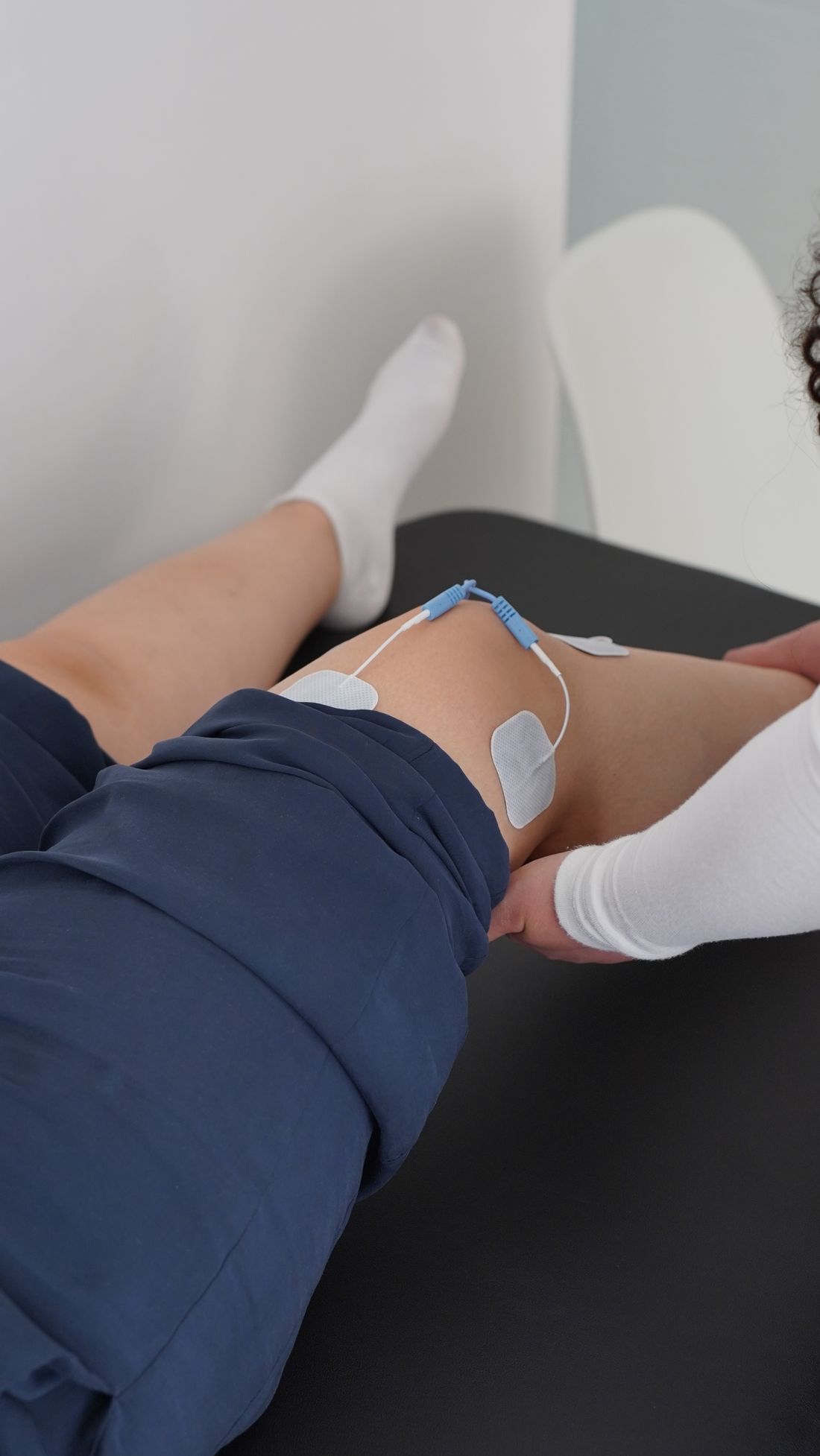 Illustrative
Your active kid suddenly has a tender, bony bump just below the kneecap that hurts when they run, jump, or kneel. If they're in the middle of a growth spurt and playing sports, it's very likely Osgood-Schlatter — common, not dangerous, and manageable without pulling them off the field for good.
What Osgood-Schlatter actually is
During a growth spurt, bones grow faster than the muscles and tendons can keep up. The powerful thigh (quadriceps) muscle pulls through the kneecap tendon onto a soft growth area at the top of the shin, just below the knee. Repeated pulling from running and jumping irritates that growth area, causing pain, swelling, and over time a bony bump. It's a growth-related overuse condition, not an injury to the knee joint or a sign of damage.
Who gets it
Active children and young teens in the middle of a growth spurt — roughly ages 9–14, in both boys and girls, especially those in running and jumping sports (soccer, basketball, gymnastics, track, volleyball). It often affects one knee but can affect both.
What it feels like
- Pain and a tender, bony bump just below the kneecap, on the top of the shin.
- Worse with running, jumping, squatting, stairs, and kneeling.
- Eases with rest, flares again with activity.
- No locking, giving way, or deep joint pain — those point elsewhere.
Is it serious? (The reassuring part)
No. Osgood-Schlatter is self-limiting — it settles as the growth plate matures and the child finishes growing, usually by the mid-to-late teens. It doesn't damage the knee joint or cause arthritis later. A painless bony bump may remain for life, but it's cosmetic, not a problem. The main cost is discomfort and interrupted sport during flares, which is exactly what good management reduces.
Can they keep playing sports?
This is the question every parent asks, and the answer is usually yes — with load management, not a total shutdown. The modern approach uses a pain-monitor idea: a child can often keep playing as long as the knee pain stays low and settles quickly after activity, and they back off when it climbs. Complete rest isn't required and tends to just delay the inevitable. A physical therapist helps set those limits so a child stays in the sport they love as safely as possible.
What helps
- Activity management — adjusting training load during flares, not quitting sport entirely.
- Ice after activity to settle a flare.
- Stretching the quads and hamstrings, which are often tight during growth spurts.
- Strengthening the thigh and hip muscles to share the load.
- A patellar strap below the kneecap helps some kids during sport.
- Patience and reassurance — knowing it's benign changes how a family handles it.
A physical therapist pulls these into a simple plan matched to your child's sport and growth stage — see how sports rehabilitation at Proof works.
How long does it last?
Individual flares usually last weeks to a few months and come and go with growth and activity. The condition itself resolves as the child stops growing — typically by the mid-to-late teens. A painless bump may persist afterward.
When to get it checked
See a clinician if the pain is severe or constant (including at rest or at night), if there's significant swelling, a limp, locking or giving way, or if it's not improving — to confirm it's Osgood-Schlatter and not something else.
Parent questions, answered
Should my child rest completely?
Usually not. Load management — adjusting how much and how hard they play during flares — works better than a total shutdown and keeps them in their sport. A pain-monitor approach guides how much is okay.
Will it cause lasting damage?
No. It's self-limiting and doesn't harm the joint or lead to arthritis. A painless bump may remain, but that's cosmetic.
How long until it goes away for good?
It resolves as your child finishes growing, usually by the mid-to-late teens; individual flares last weeks to a few months.
Does physical therapy help?
Yes — a therapist sets safe activity limits, addresses the tight and weak muscles behind the flare, and helps your child keep playing. It's one of the conditions where good coaching of load makes the biggest difference.