Your First Visit: the Checklist
What to bring, what to wear, what actually happens — and what you walk out with. No medical knowledge required.
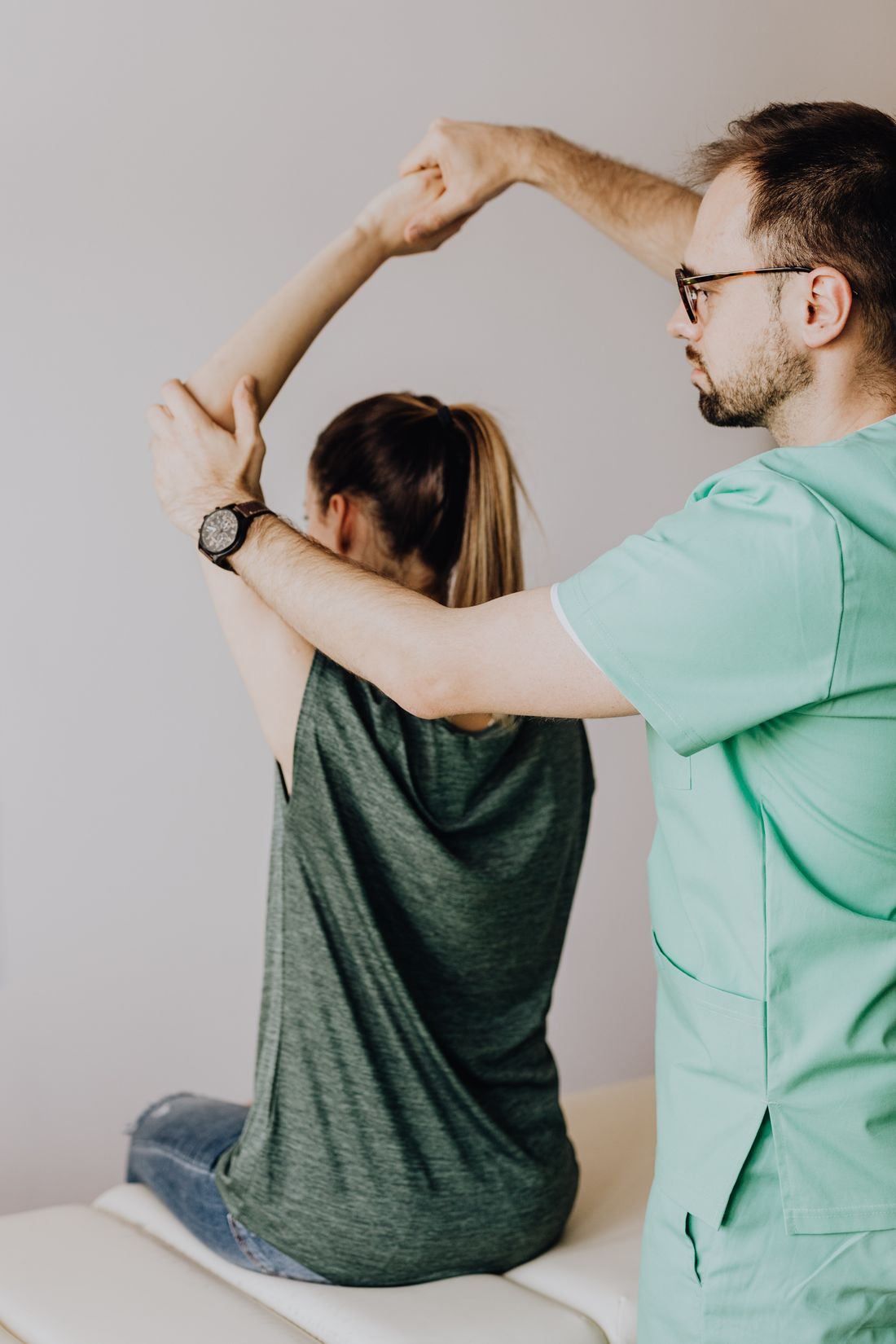 Illustrative
Quick answer: bring five things — a photo ID and insurance card (or your claim number for auto or work injuries), any referral you already have, a medication list, any imaging or operative reports, and your questions written down. Wear clothes you can move in. The first visit runs about 60 minutes: history, movement and strength testing, a plain-language explanation, and your first treatment.
Bring these (5 things)
- Photo ID and your insurance card (or claim number for auto accident and work injuries)
- Your referral/prescription if you have one — in Michigan you can usually start without one for 21 days or 10 visits, but bring it if it exists
- A medication list — names and doses, photo of the bottles is fine
- Imaging or operative reports if you have them (X-ray/MRI reports, surgeon's protocol) — helpful, not required
- Your questions, written down — the end of the evaluation is your time to ask them
Wear this
Clothes you can move in. Shorts for knee, hip, and ankle problems; a tank top or loose tee for shoulders and necks; supportive shoes you'd actually walk in. Private changing space is part of the clinic design if you'd rather change here.
What actually happens (about 60 minutes)
- Minutes 0–10 — your story: what happened, what makes it better or worse, what you need to get back to. The goal you name becomes the goal we measure against.
- Minutes 10–35 — the baseline: objective testing appropriate to your problem — range of motion, strength, and standardized functional measures. These are your day-one numbers.
- Minutes 35–50 — plain-language explanation and first treatment: what we found, what it means, and treatment starts the same visit in nearly all cases.
- Minutes 50–60 — your written plan: goals tied to your numbers, an expected visit count and timeline, and what to do at home before visit two.
Why we measure on day one
"Feeling better" is real, but it drifts — pain has good days and bad days, and memory is generous. A measured baseline fixes the starting point: how far the joint moves, how much force the muscle produces, how you score on a standardized functional test used in published research. Re-testing the same measures at milestones answers the only question that matters: is this working? If the numbers move, you'll see it. If they don't, the plan changes — we don't ride a plateau and hope.
What a progress report looks like
The example below uses fictional data — it exists to show the format you'll receive, not to represent any patient or promise any outcome.
Sample progress report — fictional data for illustration
| Measure | Eval (day 1) | Re-test (wk 4) | Goal |
|---|---|---|---|
| Knee flexion (bend) | 78° | 109° | 120° |
| 30-second chair stands | 6 | 10 | 13 |
| Pain with stairs (0–10) | 7 | 4 | ≤2 |
Fictional example. Your report uses your measures, your goals, and your dates — and a copy goes to your physician when you want it to.
Three things people wish they'd known
- Day one includes treatment. An evaluation isn't a consultation where you leave empty-handed — treatment starts the same visit in nearly all cases.
- Soreness after the first visit can be normal. You'll leave knowing what's expected, what's not, and exactly how to reach us if something feels wrong.
- Your benefits get verified before you arrive — deductible, visit limits, referral requirements — so the money conversation happens before care, not after.
Ready when we open
Proof Physical Therapy opens February 2027 in Sterling Heights. Request an appointment and a real person follows up within one business day.
Request an appointment Request an appointment