Achilles Tendinopathy: Why Loading Beats Rest, and What Works
The heel-and-calf stiffness that’s worst with your first morning steps, explained — why loading beats rest, the strengthening that works, how long it takes, and how to tell it from a rupture.
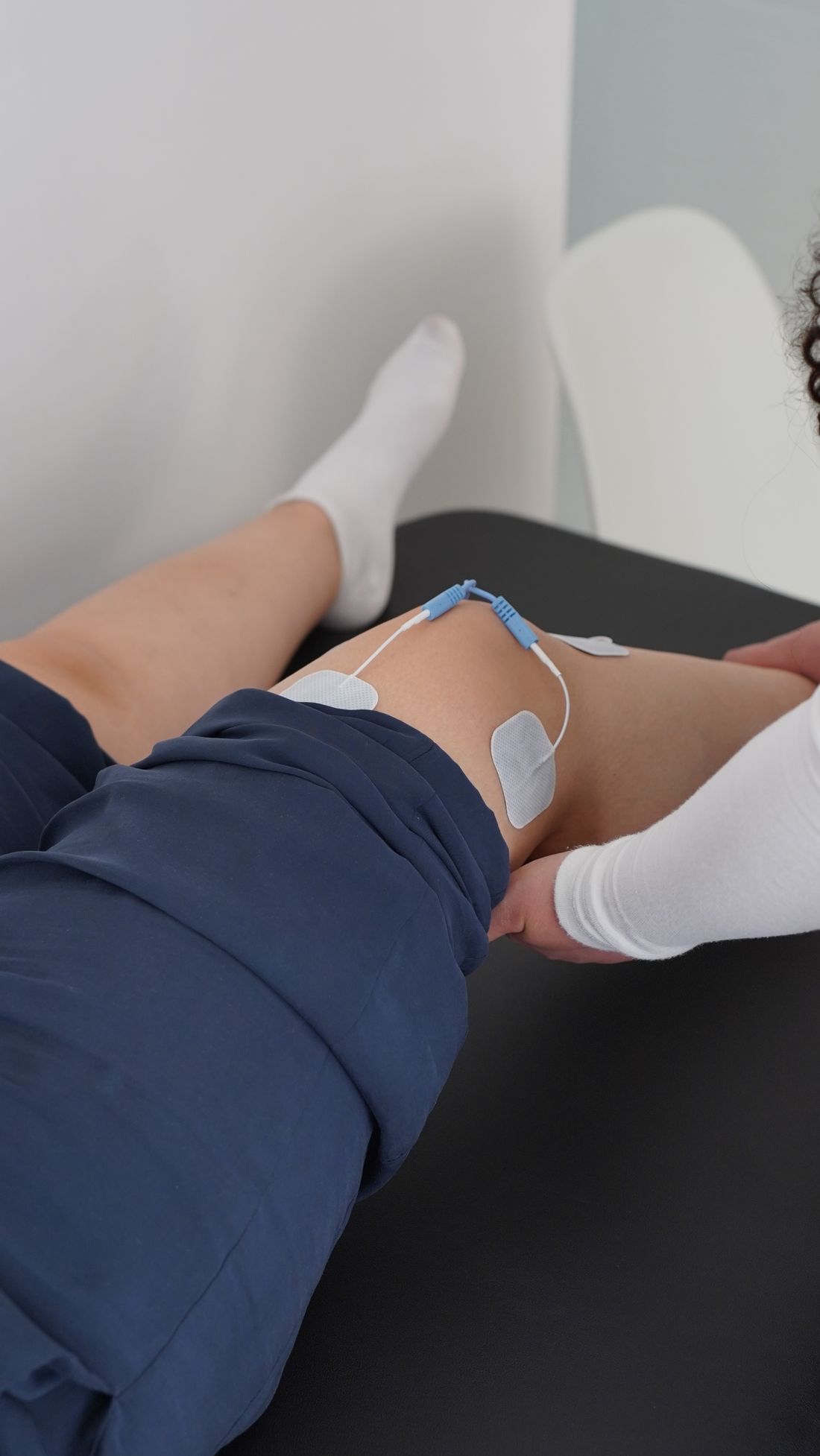 Illustrative
Pain and stiffness in the Achilles — worst with the first steps in the morning, easing as you warm up, then sore again after activity — is Achilles tendinopathy. It's one of the most treatable overuse injuries when you load it correctly, and one of the most frustrating when you rest it and hope. The difference is everything.
What it is
The Achilles is the big tendon connecting the calf to the heel. With repetitive load - running, jumping, a spike in training, or just more walking than usual - the tendon is overloaded and becomes painful and stiff. There are two common locations: in the mid-portion (a few centimeters above the heel) and at the insertion (right where it meets the heel bone), which is managed slightly differently. It's a tendon load problem - which is why the fix is loading it correctly, not resting it.
What it feels like
- Pain and stiffness at the back of the heel or lower calf.
- Classically worst with the first steps in the morning and after sitting, easing as you warm up.
- Sore again after activity, and tender to pinch the tendon.
- Sometimes a thickened area on the tendon.
Who gets it
Runners and jumping athletes, people who ramp up activity suddenly, and - very commonly - active adults in their 40s and 50s whose tendons are less forgiving of training spikes. Calf weakness and sudden increases in hills or speed are frequent contributors.
What actually helps
- Progressive tendon loading - a structured calf and Achilles strengthening program (commonly heavy-slow resistance or eccentric calf work) is the best-evidenced treatment and the core of recovery.
- Load management - adjusting, not stopping, the aggravating activity, and rebuilding gradually.
- Patience and consistency - the tendon remodels over months, and the program needs to be kept up.
- For insertional pain, avoiding aggressive stretching and deep heel-drops that compress the insertion early on.
What tends to fail: complete rest (the tendon gets weaker and the pain returns the moment you load it again) and passive treatments without the strengthening. A physical therapist sets the right loading program for your location and stage - see orthopedic physical therapy at Proof.
How long does it take?
Achilles tendinopathy is slow - meaningful improvement usually takes a couple of months of consistent loading, sometimes longer. The encouraging part is that a well-run loading program is dependable, and most people return to full activity.
Important: a tendinopathy is not a rupture
A gradual, nagging Achilles ache is tendinopathy. A sudden sharp pain or a feeling of being struck or kicked in the back of the ankle, often with a pop and sudden inability to push off, can be an Achilles rupture - a different injury that needs urgent assessment. Don't treat a sudden pop as "just tendinitis."
Red flags
Seek prompt care for a sudden pop with inability to push off or walk normally (possible rupture), significant swelling, or heel/tendon pain that isn't improving with a proper loading program.
Achilles tendinopathy questions, answered
Should I rest or exercise Achilles tendinopathy?
Exercise - specifically a progressive calf and Achilles loading program. Rest alone tends to leave the tendon weak and the pain recurring, while structured loading is the best-evidenced treatment.
How long does Achilles tendinopathy take to heal?
It is slow - usually a couple of months of consistent loading, sometimes longer. A well-run program is dependable, and most people return to full activity.
What's the best exercise for the Achilles?
A structured calf-strengthening program - commonly heavy-slow resistance or eccentric calf work - tailored to whether the pain is in the mid-tendon or at the insertion, since the insertional type needs gentler early positions. A therapist sets the progression.
How do I know it's not a rupture?
Tendinopathy comes on gradually and aches, worst in the morning. A rupture is sudden - a sharp pain or feeling of being struck in the back of the ankle, often with a pop and sudden inability to push off - and needs urgent assessment.